In 2016, Heuvel & Bondarouk explored the critical dimensions of Human Resource Management (HRM) and its technological alignment. Their study delves into how evolving technologies are reshaping modern HR practices, emphasizing the importance of integrating Information Technology (IT) with HRM strategies to enhance organizational effectiveness and employee engagement.
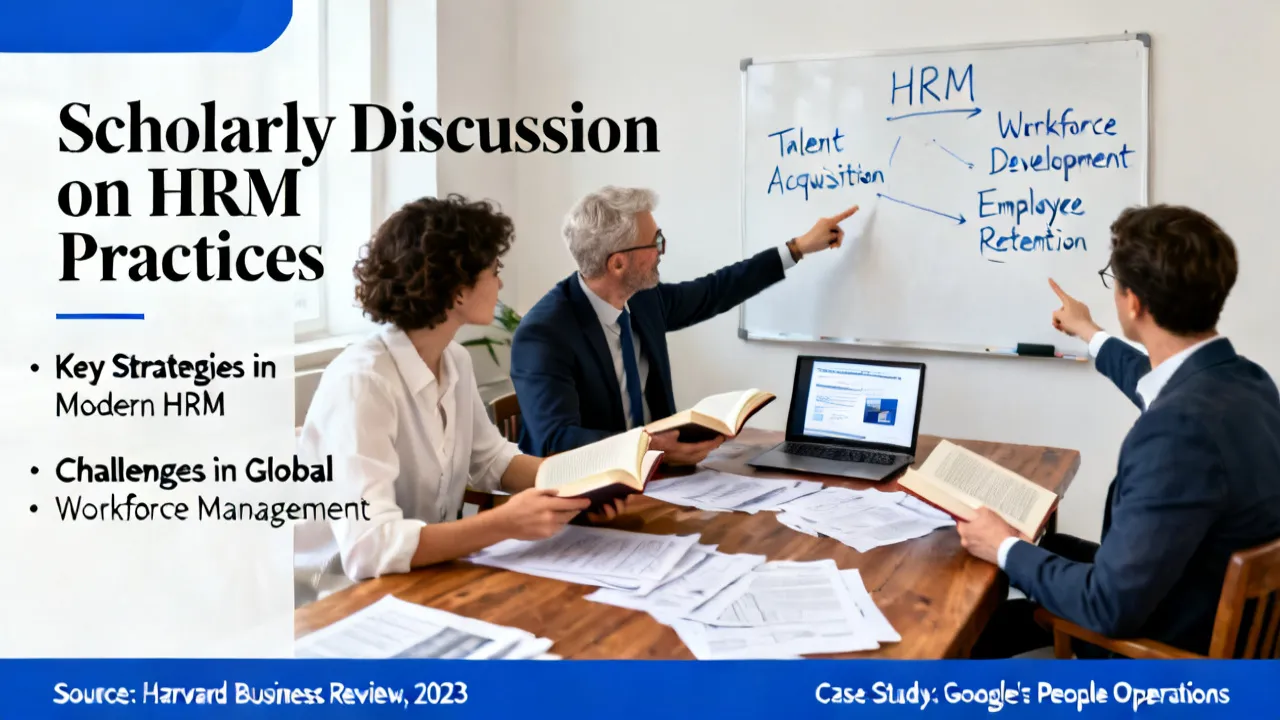
The landscape of Human Resource Management (HRM) has undergone a profound transformation due to technological advancements. In their seminal 2016 work, Heuvel & Bondarouk meticulously examine the critical intersections of HRM and Information Technology (IT), shedding light on how organizations can leverage these tools to optimize their human resources. Today, the implementation of various technological innovations is reshaping not only how HR departments operate but also how organizations as a whole strategize their human capital management. This fusion represents a significant shift in thinking yet aligns with the growing need for efficiency and adaptability in an ever-evolving business ecosystem.
Heuvel & Bondarouk (2016) propose that rather than viewing HRM and IT as separate entities, organizations should embrace their integration to cultivate a more dynamic and responsive business environment. This harmonious blend leads to improvements in key HR functions, ranging from recruitment and employee engagement to performance management and organizational development. More importantly, a strategic approach to integrating HRM and IT can foster a culture of agility within businesses, enhancing their competitive edge. To achieve a holistic integration, organizations need to cultivate an environment where HR professionals are empowered with the necessary skill sets and tools to utilize technology to its fullest potential.
The researchers identify pivotal areas where technology has the very significant impact on HRM:
| HRM Function | Technological Impact |
|---|---|
| Recruitment | Improves candidate sourcing and selection via AI and data analytics. Recruitment software can help shortlist candidates by analyzing resumes against job descriptions, efficiently narrowing down the talent pool. |
| Performance Management | Incorporates real-time feedback and goal-setting tools. Organizations are moving away from annual performance reviews, favoring cyclic performance check-ins that enable employees to adjust their goals and receive immediate feedback. |
| Workforce Planning | Enhances forecasting and scenario planning with predictive analytics. Organizations can better manage labor costs and resource allocation by predicting future staffing needs based on historical data and growth patterns. |
| Employee Engagement | Supports personalized development plans and remote collaboration. E-learning platforms and mobile applications empower employees to craft their own learning journeys, and artificial intelligence can recommend tailored training and development resources. |
Despite the clear advantages, Heuvel & Bondarouk also acknowledge the challenges associated with the integration of technology in HRM:
As we delve deeper into the intersection of HRM and technology, it becomes increasingly evident that specific technological trends are reshaping the field. These trends offer an opportunity for organizations to rethink their HR strategies and processes:
Heuvel & Bondarouk (2016) argue that the continued evolution of digital tools will further transform HRM into a strategic function that adds increased value to organizations. The future of HRM will likely involve even more sophisticated adaptations of AI, machine learning, and predictive analytics to proactively address workforce needs and organizational objectives. Future HRM processes may focus not only on the immediate administrative functions but also on fostering a culture of continuous improvement and innovation. By harnessing user-friendly interfaces and advanced analytics, HR functions can evolve to seamlessly integrate with other business areas, facilitating broader operational efficiencies and workforce alignment.
The fusion of HRM and technology is also reshaping organizational culture, emphasizing values such as transparency, diversity, and collaboration. Organizations that leverage technology in HRM can cultivate a more open environment where employees feel valued and heard. Digital tools that allow for feedback and recognition not only enhance employee engagement but also encourage diversity of thought by enabling different voices to emerge in discussions.
Furthermore, organizations are increasingly adopting cultural metrics and analytics to understand employee sentiment and develop action plans to improve workplace diversity and inclusion. By applying technology to gather data on employee behaviors, satisfaction rates, and engagement levels, HR departments can adapt their strategies to ensure that all employees feel that they belong within the organizational fabric.
In simplifying the complex world of HRM and technology, Heuvel & Bondarouk's 2016 study provides a valuable roadmap for organizations aiming to thrive in a technology-rich business environment. By understanding the nuances of their work, HR professionals can better align their strategies with evolving technological trends, securing a competitive edge in the market. The ongoing integration of technology within HRM is not a destination but an ongoing journey that requires continuous adaptation and learning. Organizations that embrace this journey while addressing the associated challenges will be well-positioned to attract and retain talent in a turbulent economic landscape.
What are the main benefits of integrating IT with HRM according to Heuvel & Bondarouk?
The primary benefits include improved efficiency in administrative tasks, enhanced data-driven decision-making, better employee engagement, and streamlined communication. Organizations are encouraged to leverage these benefits proactively to maximize their overall human resource effectiveness.
What challenges did Heuvel & Bondarouk identify in the tech-HRM integration process?
Key challenges include privacy concerns, the need for strong change management practices, skills development for HR professionals, and managing the costs associated with technology adoption. Navigating these challenges requires a proactive approach that includes robust training and a strategic focus on data protection.
How can organizations effectively manage the integration of technology in HRM?
Organizations can manage this by investing in training, ensuring robust data protection measures, and proactively managing change through effective communication and leadership. Additionally, it is essential to foster a culture that embraces technological changes and encourages feedback from employees regarding their experiences with new tools.
The journey toward effective HRM and technology integration necessitates the establishment of robust strategies that not only bolster current capabilities but also anticipate future developments. Here are a few recommendations for organizations to consider as they navigate this critical transition:
Organizations that remain committed to these strategies will not only achieve successful HRM and technology integration but also foster a resilient workforce adaptable to future challenges and opportunities in an increasingly automated world.

This guide examines Lorella Lima by defining what the name signals in contemporary discourse and how readers can evaluate related content responsibly. Objectively, “Lorella Lima” functions as a distinctive identifier used across social profiles, portfolios, and editorial references. The article focuses on quality signals, supplier transparency patterns, and practical due diligence for informed decisions.

This guide explains how to evaluate Lorella Lima in the context of service quality, credibility, and practical decision-making. It provides objective background on the name’s relevance, common evaluation criteria in the industry, and how to compare options responsibly. You’ll also find a conditions checklist, a step-by-step approach, and FAQs to support clear next steps.
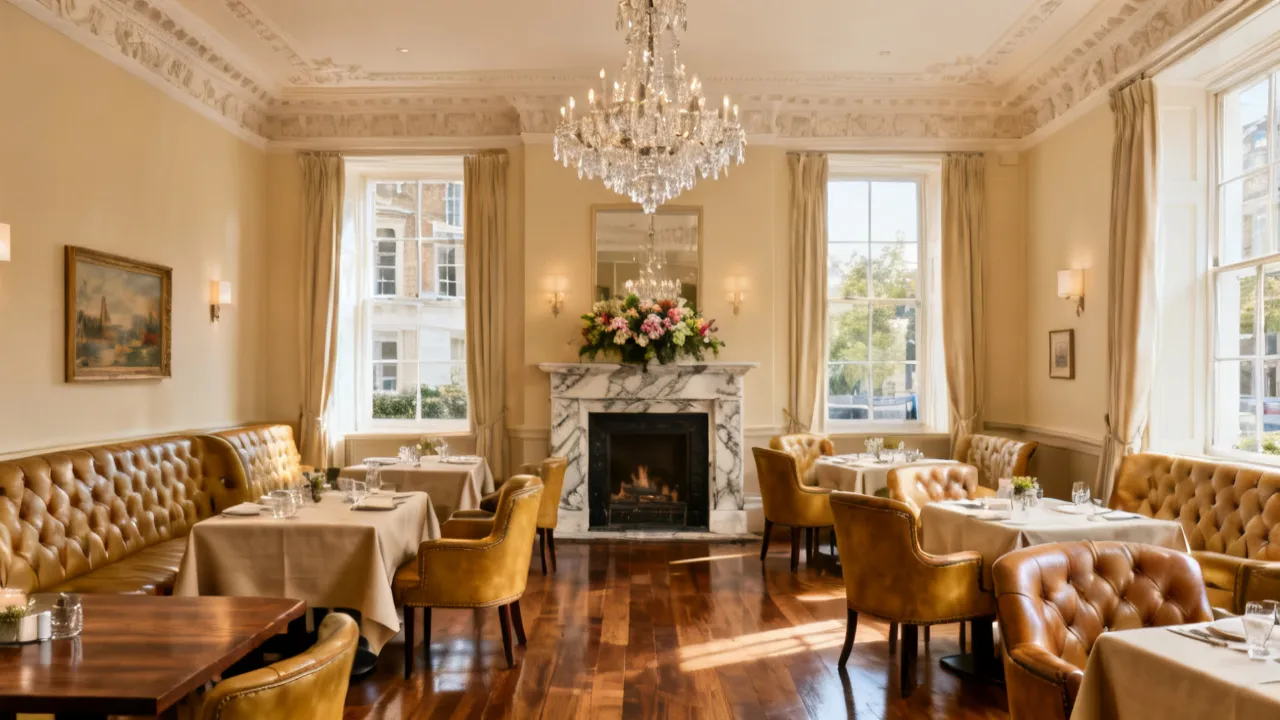
Sensu Marylebone stands as a beacon of refined dining situated in the vibrant heart of London's Marylebone. Known for its exquisite fusion of modern culinary practices with traditional techniques, this restaurant provides a unique gastronomic experience. Located amid the historic and bustling streets of Marylebone, Sensu charms locals and visitors alike with its elegant atmosphere and dedicated service, ensuring a memorable dining adventure.

Sensu Marylebone is a captivating destination renowned for its vibrant cultural scene and exquisite culinary offerings. Nestled in a historically rich area nearby, it is a picturesque locality that combines old-world charm with modern vibrancy, making it a highly sought-after spot for both locals and tourists. Sensu Marylebone offers myriad experiences from exploring architectural marvels to savoring fine dining establishments.

This article delves into the culinary and cultural allure of Sensu Marylebone, a distinguished dining venue renowned for its sophisticated ambiance and innovative menu. Sensu Marylebone, located in a prime area of London, is a testament to the blend of traditional and modern culinary arts, offering a rich gastronomic journey to its patrons. We explore its offerings, the genius behind its menu, and its contribution to the local dining scene.

Sensu Marylebone offers a unique blend of cultural heritage and modern lifestyle in the heart of London. This district, famous for its distinct Victorian architecture and vibrant community life, attracts both locals and tourists. From aromatic cafes to boutique shops, Sensu Marylebone promises an authentic local experience with a touch of elegance and historical connection.

Explore the vibrant charm of Sensu Marylebone, a unique and stylish locality in London known for its boutique stores, exquisite dining, and cultural richness. This guide delves into what makes this area so appealing, its offerings, and how it stands as a distinguished spot in London's urban tapestry, providing both locals and travelers with myriad experiences.

Located in the vibrant heart of nearby Marylebone, Sensu offers a sophisticated mix of cultural influences in art, dining, and entertainment. Marylebone is known for its charming streets, boutique shops, and historical landmarks, making it an ideal location for contemporary gatherings. Sensu Marylebone stands out as a versatile venue catering to an eclectic audience, blending tradition with modernity.